Active Leak? Call 513-758-6246 to schedule service
BBB Accredited | 5-Star Google Rating | Licensed & Insured
25+ Years
Experience
Ohio Licensed
Fully Insured
Google Trusted
5-Star Reviews
Our Promise
Upfront Pricing
Owner-Operated
Quality Work
Plumbing for Kitchen, Bathroom & Basement Remodeling Projects in Cincinnati, OH
Rough-In Through Finish, Coordinated With Your Project..
New cabinets and tile get all the attention during a remodel, but the plumbing behind the walls is what determines whether the finished project actually works the way it looks. 513 Plumbing & Gas Solutions handles remodel plumbing for homeowners, contractors, and remodeling companies throughout Blue Ash, Montgomery, Symmes Township, Loveland, Mason, and the rest of Greater Cincinnati — from moving a single drain line to running rough-in for an entire basement finish.
Whether you’re working with a general contractor or managing the project yourself, we coordinate around your schedule and handle the plumbing scope from rough-in through the final fixture trim-out.
A Remodel Is the Best Time to Fix What’s Behind the Wall
Once drywall goes up, moving a drain line or upgrading old supply piping means cutting into a finished wall to do it. While everything’s already open, it’s the cheapest and least disruptive point to:
Homeowners in older Montgomery and Blue Ash homes in particular often uncover galvanized supply lines or clay drain lines during a remodel that are well past their functional life — worth addressing now rather than reopening the same wall in five years.
Your Trusted Local Remodel Plumbing Experts in Cincinnati
A Plumbing Partner You Can Rely On for the Whole Project
A remodel is a big enough investment that the plumbing shouldn’t be an afterthought — or a call center problem if something needs adjusting mid-project. Our team brings 25+ years of hands-on trade experience to rough-in planning most homeowners never have to think about, like which fixtures need extra venting or where a wall can’t move without relocating a stack. We plan the rough-in around your actual finish selections, keep you and your contractor in the loop, and stand behind the work through the final trim-out. We’re licensed & insured in Ohio, BBB Accredited with an A+ Rating, and a proud member of the Blue Ash Chamber of Commerce.
Kitchen Remodel Plumbing
A kitchen remodel touches more plumbing than almost any other room in the house. We handle sink relocation, new water supply lines, drain line modifications, garbage disposal installation (see what that involves →), dishwasher connections, refrigerator water lines, pot filler rough-ins, bar sink plumbing, instant hot water dispensers, and connections for under-sink water filtration. Whether you’re shifting the sink six inches to fit a new island or gutting the layout entirely, the rough-in gets planned around your finish selections, not the other way around.
Bathroom Remodel Plumbing
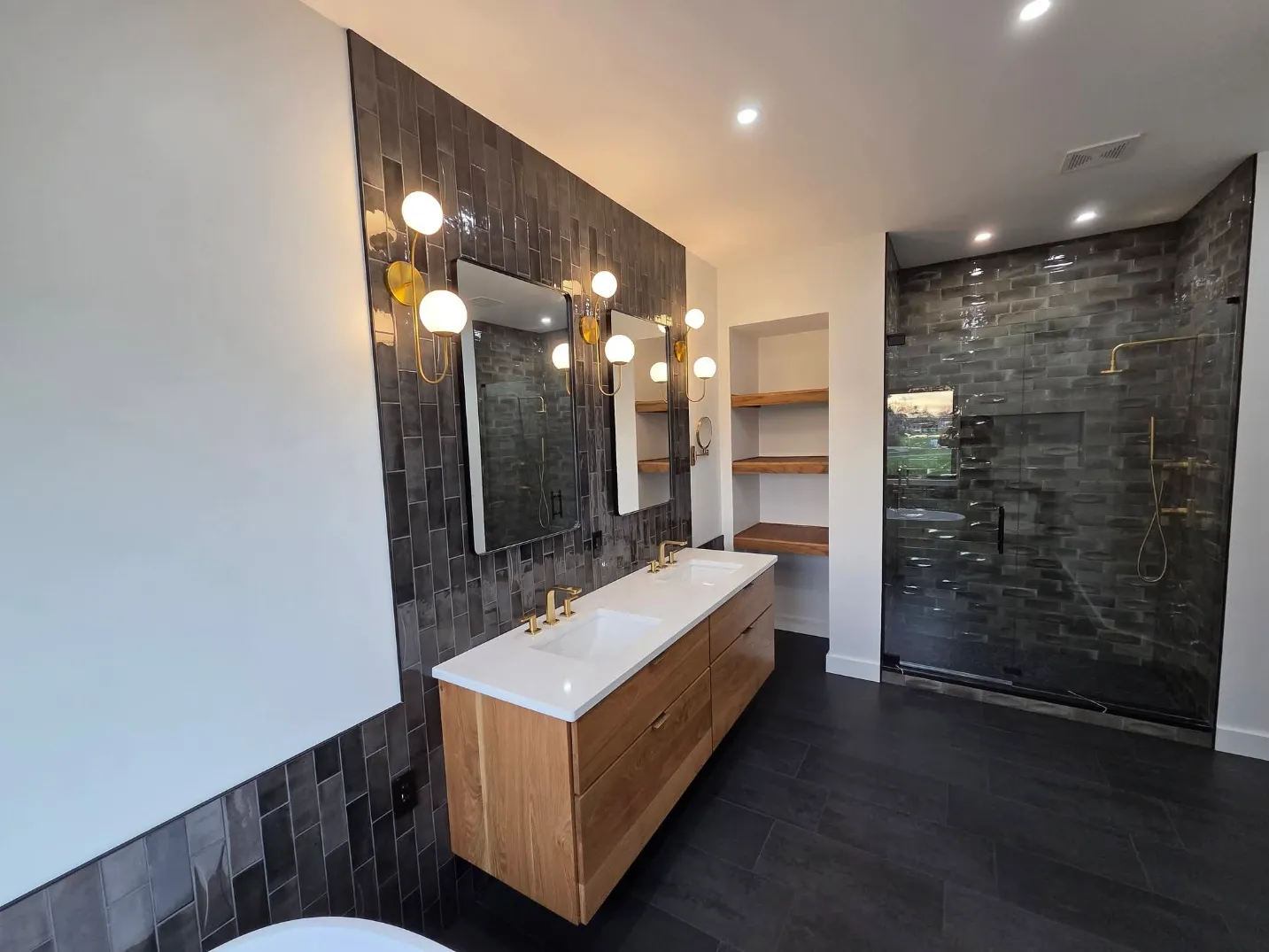
Bathrooms pack more plumbing systems into less square footage than any other room, which makes planning the rough-in correctly especially important. We install and modify plumbing for showers, soaking and freestanding tubs, shower valves, toilets, double vanities, bidets, and body spray systems — coordinating drainage, venting, and water supply so everything lines up with the finish fixtures once tile and cabinetry are in.
Basement Remodeling & Bathroom Additions
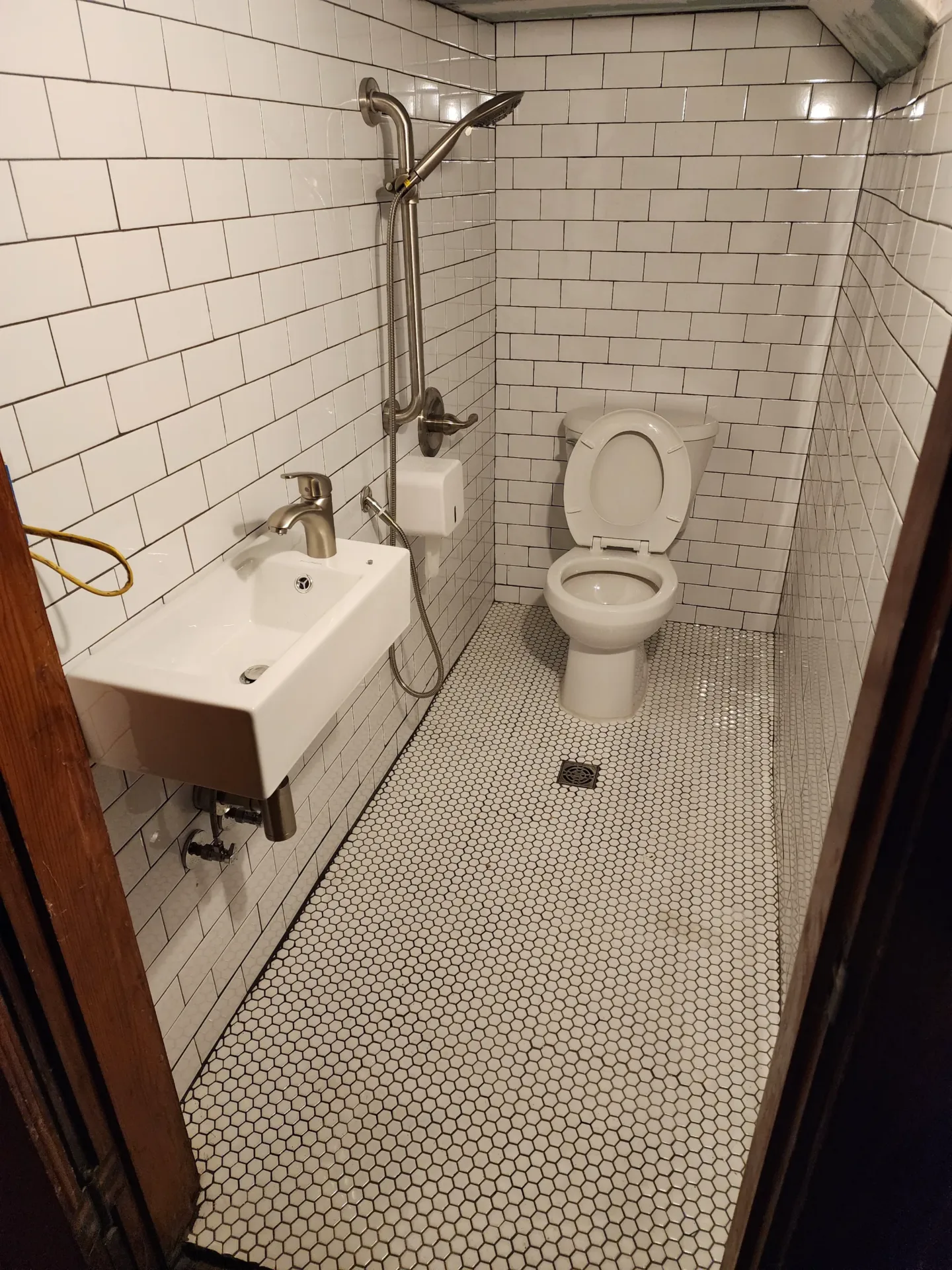
Finishing a basement almost always means adding a bathroom, and often a wet bar, laundry hookup, or utility sink alongside it. Because basement bathrooms sit below the main sewer line in most homes, that usually means an ejector pump system to lift wastewater up to the main line — something worth planning for early, since it affects where the bathroom can actually go. We handle the full rough-in: bathroom plumbing, drain and vent piping, water line runs, ejector pump installation, and laundry and bar sink connections, all built to current code.
Rough-In & Finish: The Two-Phase Process
Most remodel plumbing happens in two distinct visits. Rough-in: before drywall goes up, we run and relocate water lines, drain piping, vent systems, and gas lines where applicable, and stub out every fixture connection the finish crew will need later. Finish plumbing: after cabinets, flooring, and tile are done, we come back to set toilets, install faucets, sinks, shower trim, and water heaters, and pressure-test every connection before calling the project complete. Splitting the work this way keeps the project on schedule and means nothing gets closed up behind drywall until it’s confirmed correct.
Working Alongside Your Project Team
Remodels move fastest when the trades are actually talking to each other. We regularly coordinate directly with homeowners, general contractors, electricians, HVAC installers, cabinet installers, tile setters, and local inspectors — showing up when we’re scheduled and flagging conflicts before they turn into a delay for the whole project.
Why Homeowners Choose 513 Plumbing & Gas Solutions
We know you have options when searching for a plumber. Here are the reasons why customers choose us.
Frequently Asked Questions for Plumbing Remodels
Yes, in most cases — how much depends on your home’s existing layout and the scope of the project, which we’ll walk through during our initial evaluation.
Not necessarily. If the existing supply and drain lines are in good condition and in the right location, they can often be reused. We’ll tell you honestly if an upgrade is worth doing while the walls are open anyway.
Yes — sinks, faucets, toilets, tubs, and most other fixtures homeowners supply themselves.
Regularly. We coordinate directly with general contractors and other trades to keep the plumbing scope on schedule with the rest of the project.
Most rough-in and relocation work requires a permit and inspection, and we handle that coordination as part of the job — it’s what confirms the work was actually done to code, which matters both for safety and for resale down the road.
It depends heavily on scope — a single fixture relocation is a different job than a full basement bathroom rough-in. For remodel work, we’ll walk the project with you or your contractor first, then provide one firm, written proposal covering the full scope — not a per-trip guess that changes once work begins.